Homepage





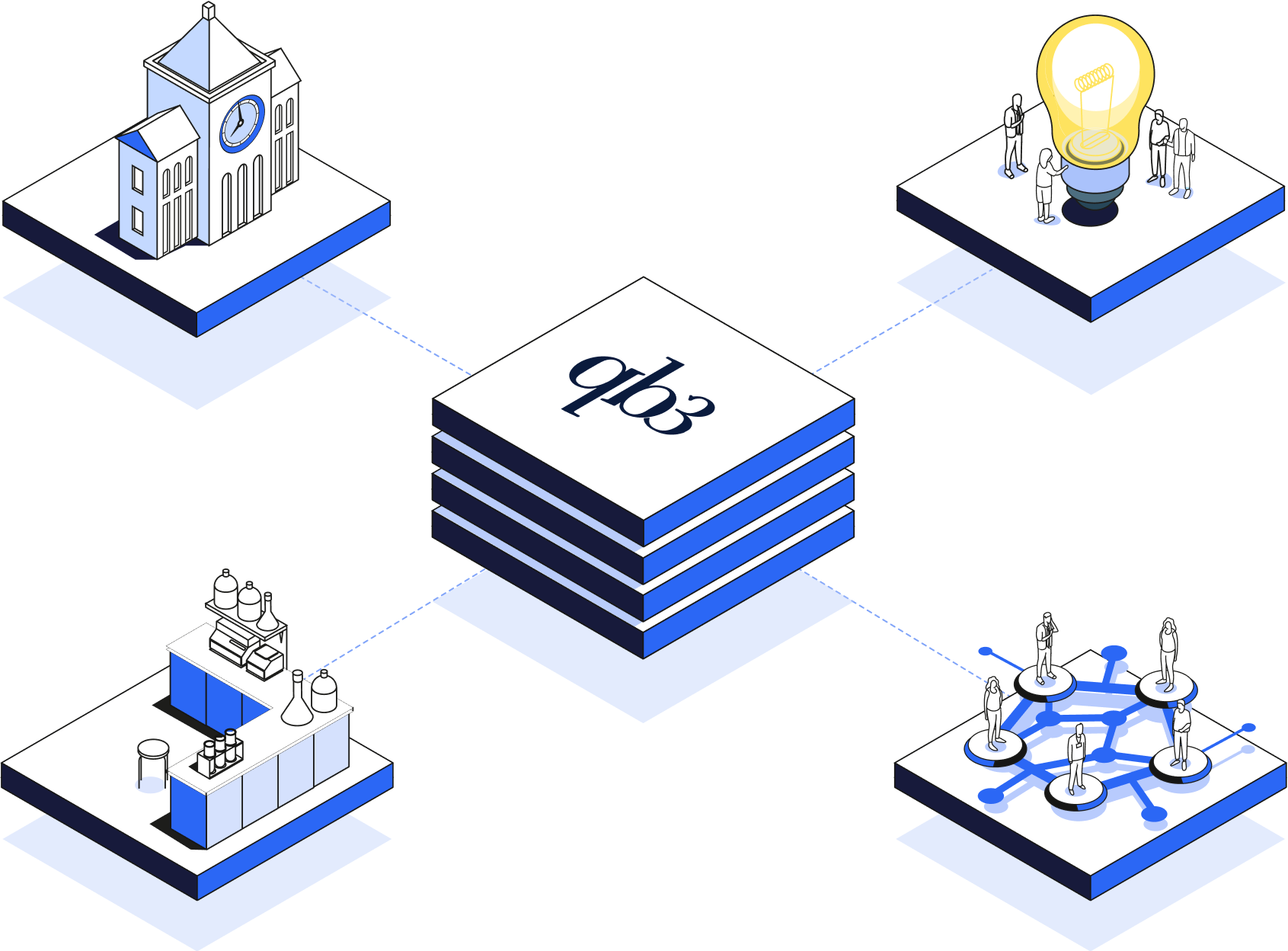
Everything that a bio-entrepreneur needs, all in one location.
There has never been a shortage of entrepreneurs with great ideas designed to tackle the most pressing global challenges — from human health to environmental sustainability.
To grow those ideas into successful ventures, entrepreneurs need space, equipment, and multiple connections to a vibrant ecosystem. That’s why we created Bakar Bio Labs at UC Berkeley. Bakar Bio Labs is built to be the foundational hub for resources where startups thrive.
When everyone shares the lab, who owns the risk?
LAB MANAGER – Shared facilities need clear safety responsibilities, risk-based training, controlled access, and escalation paths that work when supervisors are absent Read post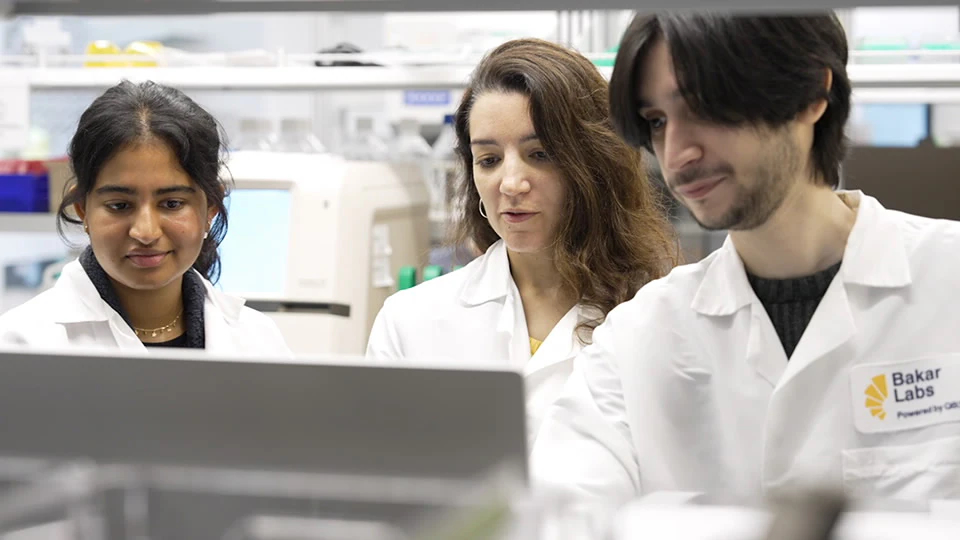
Agilent customer story: Rocío Sampayo, Axent Biosciences
AGILENT – Learn how Axent Biosciences is advancing manufacturing solutions to expand access to cell therapies. Read post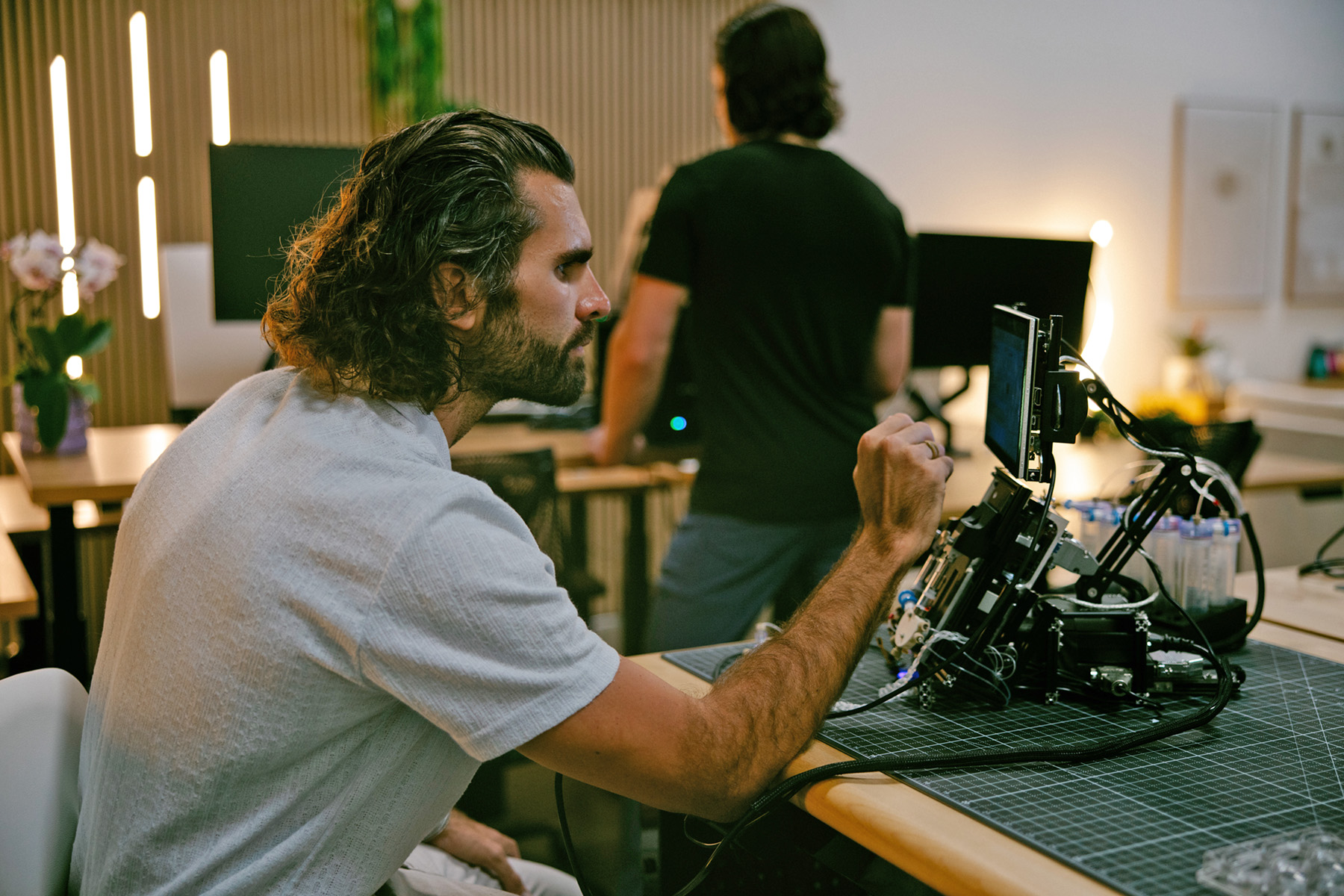
AI was inspired by the brain. Open Culture is turning it into a tool for neuroscience.
Spencer Seiler spent years building tiny automated laboratories capable of growing and studying millions of human neurons. Now, he’s pairing that technology with AI—and with help from QB3, turning years of academic research into a neuroscience tools company. Read post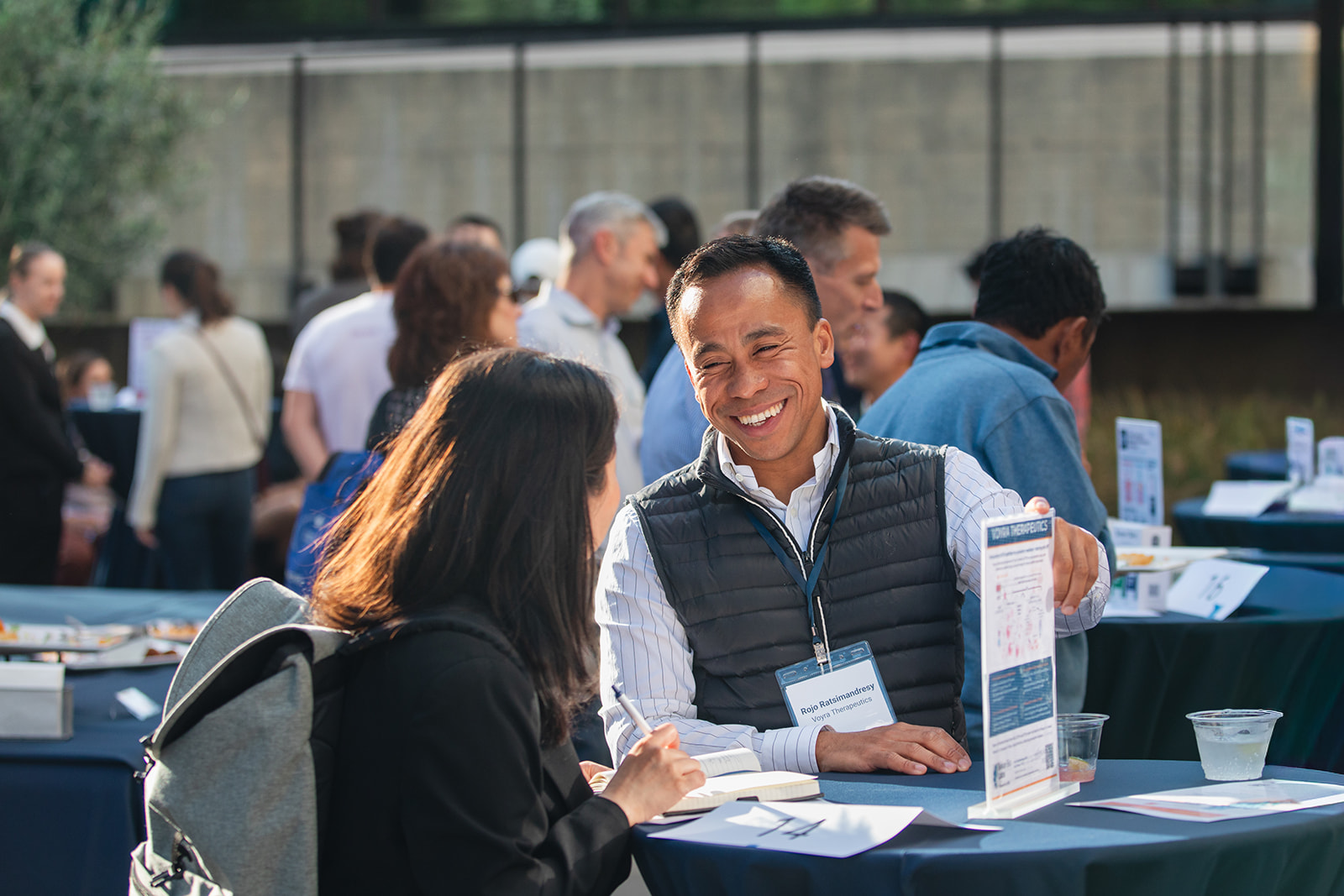
Getting ahead of lung disease: Voyra Therapeutics targets pulmonary fibrosis
Rather than waiting until irreversible damage has occurred in progressive lung disease, Voyra Therapeutics is developing therapies designed to protect tissue and promote its natural regeneration. Now, with promising results in human IPF lung tissue and mouse models, the company is raising capital to move its approach closer to the clinic. Read post
Azalea VP of Corporate Strategy Anastasiia Kamenska named to Biospace 2026 40 Under 40
The prestigious list honors exemplary biotech and pharma professionals who have distinguished themselves in their companies and their field. The young leaders demonstrate innovation, business impact and commitment to improving outcomes for patients. Read post
Lento Bio to Present Updates on LB-01, its Lens Flexibility Restoring Eye Drop for Presbyopia, at Eyecelerator 2026
COURIER JOURNAL – “LB-01 is designed to restore the lens’s natural flexibility and would be the first rejuvenating therapy that acts as disease modifying rather than symptomatic,” CEO Kris Barnes told the Courier Journal. Read post
HOPO Therapeutics named 5th highest-funded MBA-founded startup of 2026
POETS & QUANTS – The company, co-founded by Haas MBA/MPH graduate Hannah Weber, is “developing the first oral treatments for heavy-metal poisoning and radiological exposure.” Read post
HexemBio looks beyond capital as KIP opens a door to Korea’s biotech network
KOREA TECH DESK – HexemBio, a U.S. preclinical biotech developing therapies designed to rejuvenate aging blood stem cells, announced a USD 10.4 million seed round led by Draper Associates in April 2026. By September, the company said its total funding had reached USD 15.5 million, with Korea Investment Partners investing USD 2 million through the KIPUS Trinitas Fund. Read post Profluent and BioMarin Partner to Design Novel Enzyme Therapies Using AI
HLTH – The two companies have entered a collaboration focused on designing and optimizing novel enzyme therapies for BioMarin’s pipeline, combining artificial intelligence-based protein design with the pharmaceutical company’s experience developing enzyme replacement therapies for genetically defined conditions. Read postOur affiliates
















Ready to run?
Startups need to focus on making milestones, not managing equipment.
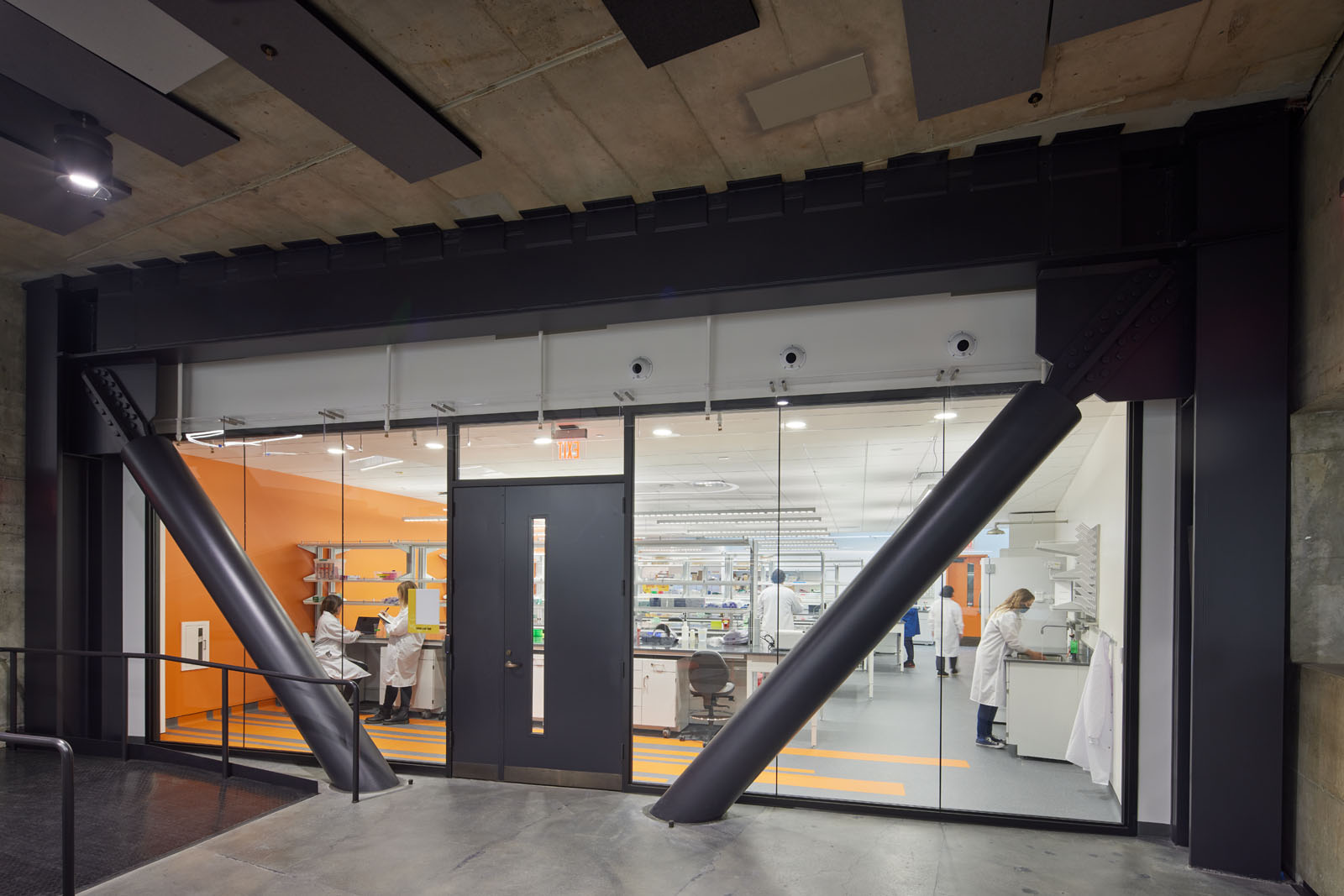
Bakar Bio Labs maintains tissue culture facilities, a freezer farm, fume hoods, basic benchtop equipment and plenty of analytical instruments. Optional lab support services can also make for quick starts that help get results fast.


At UC Berkeley
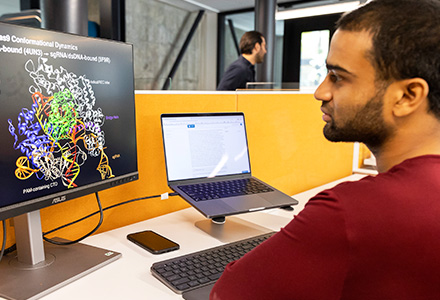
Bakar Bio Labs is just steps from UC Berkeley’s world-renowned faculty and more than 40,000 students who train in top programs including science, engineering, law and business. Dotting the campus is a network of core facilities that feature a wide range of advanced equipment and services for use by startups. Recruiting student talent and scientific co-founders couldn’t be easier.

Today’s best startups blaze a trail all their own, but they don’t do it alone.
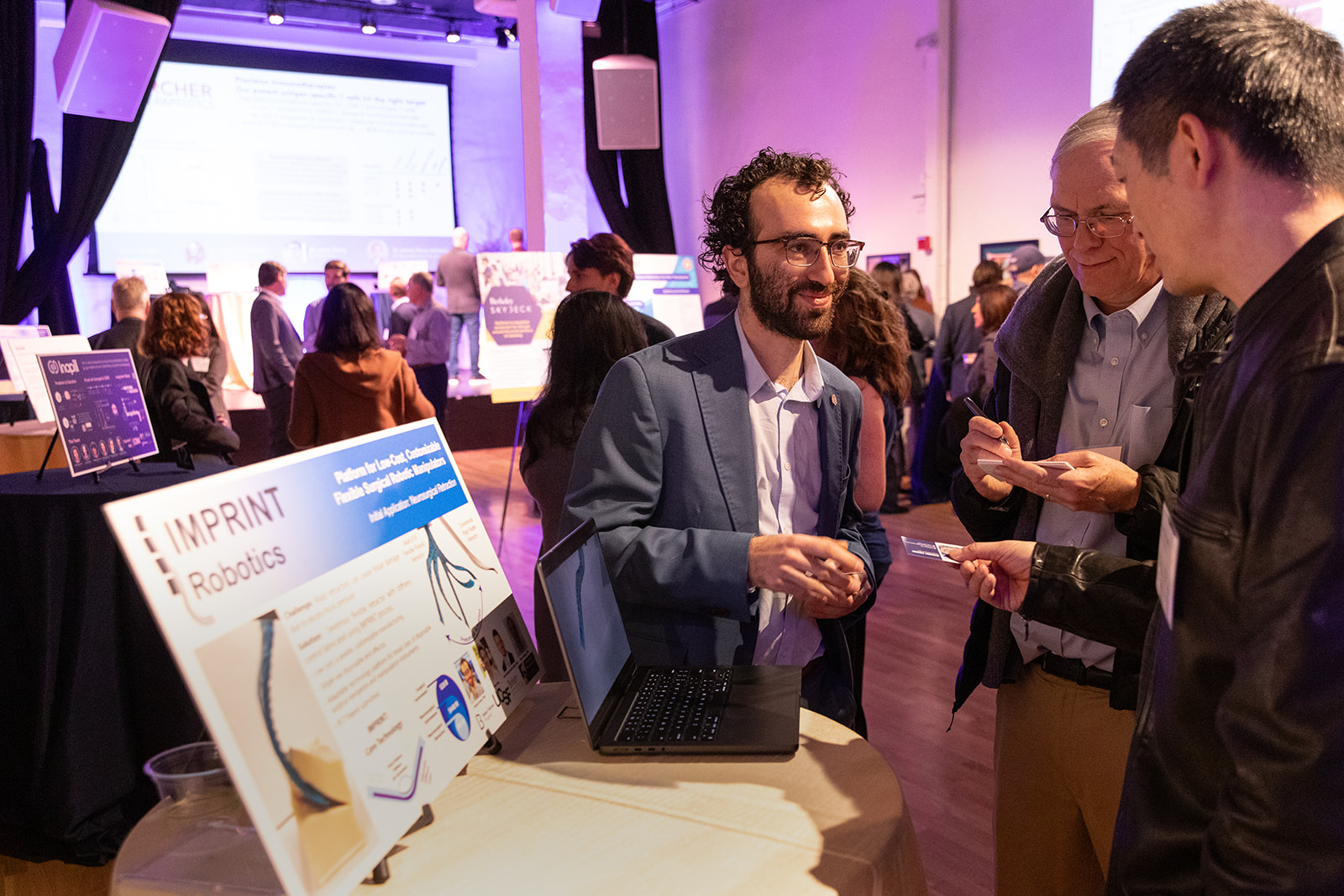
They build their support network to help them navigate the multiple challenges they face. At Bakar Bio Labs, tenants join a community of as many as 50 like-minded teams willing to share the scientific and business insights that help them advance. The incubator spans more than 40,000 square feet of lab and office spaces within the fully renovated Woo Hon Fai Hall, the iconic former home of the Berkeley Art Museum. With so much going on, investors, industry partners and new talent are already taking notice.
Built for startups. For more than 20 years, QB3 has been the University of California’s center for innovation and entrepreneurship in life science. Through pitch summits, seminars, symposia, podcasts, office hours, internships, and workshops QB3 educates, connects, and elevates the entrepreneurial ecosystem.