News

Latest news291

Seven people in a group sitting together

Jennifer Doudna startup launches with $82M to apply new CRISPR delivery technology to in vivo CAR-T

Azalea Therapeutics, co-founded by Nobel laureate and CRISPR co-inventor Jennifer Doudna, has raised $82 million to develop therapies based on its so-called Enveloped Delivery Vehicles, or EDVs, it said Tuesday. Its approach aims to merge the perks and overcome the limitations of the two most widely-studied delivery vessels: lipid nanoparticles and viral vectors. Read post
Seven people in a group sitting together

Why Jennifer Doudna, Reed Jobs and others are backing this East Bay biotech’s in-body cell fix-it shop

Azalea's approach is what scientists call in vivo — or in the living body — reprogramming of immune cells. That is one of the hottest areas of cell therapy research because it could make today's chimeric antigen receptor-T cell, or CAR-T, therapies safer, more efficient and more effective. Additionally, having the body's own cellular machine shop serve as a production line for infection-fighting T cells could shave weeks off the process of manufacturing therapies outside the body. Read post
Seven people in a group sitting together

Azalea Therapeutics Launches with $82 Million Financing to Redefine Precision Genomic Medicines by Engineering Cells Directly Inside Each Patient

“At Azalea, we are aiming to make cell therapy as simple as dosing a medicine,” said Jenny Hamilton, Ph.D., co-founder, president and chief executive officer of Azalea Therapeutics. “By combining cell-selective delivery with site-specific genome integration, we can create potent and durable in vivo CAR-T and other cell-based therapies inside the body and extend the reach of genome engineering to many more patients.” Read post
Six scientists wearing white lab coats

‘We want to change the world:’ Company says it is creating a new kind of plastic

FutureBio is tackling the problem of plastic pollution head-on by creating what its co-founder describes as a new kind of plastic. Different from both the petroleum-based and the biodegradable ones now in use, it is not only durable but also bio-renewable and easier to recycle, said Zilong Wang. “It proposes a different and a novel plastic, which is different from all other kinds of plastic,” he said. Worldwide, only about 9% of today's plastic is actually recycled. Most of the rest, millions of tons, goes to landfills or ends up in the environment. Even the plastic that is recycled is sent to landfills or incinerators after one or two cycles because the quality of the material degrades. Read post
Denis Bronnikov, Lynne Krummen, Yvonne Li, Todd Renshaw

You Asked, We Answered: Bakar Bio Labs Launches Experts-In-Residence Program

Bakar Bio Labs is proud to introduce our new Experts-in-Residence (XIRs) program, bringing in four inaugural XIRs focused on finance, CMC operations, business development and regulatory affairs to support tenants in biotechnology product development. Although Bakar Bio Labs is an early-stage startup incubator, these experts have a particular focus on later-stage resources to help these companies, especially if they started in academia, succeed beyond their time here. Eda Altiok, who just joined us as director of partnerships, says that meetings with the XIRs are available at both set times, and on-demand. “What I kept hearing [from tenants] was that they needed access to industry, access to personnel, and people who’ve encountered similar challenges to what they’re going through, and how to overcome those challenges,” Eda says. “We want them to feel like we’re setting them up for success at Bakar Labs, so we’re excited to unveil this program.” Read post
Marco Lobba

Marco Lobba Wins 2025 Biocom Catalyst Award: Precision Therapeutics at the Molecular Level

Marco Lobba co-founded CatenaBio to advance targeted therapeutics at the intersection of chemistry and molecular biology. He co-invented the CysTyr platform, enabling precise conjugation of multiple payloads to antibodies for oncology, gene therapy and cell-based therapies. “I truly believe that the biggest challenge in making new therapeutics is how to direct them in the body,” he says. Dr. Lobba earned his Ph.D. at UC Berkeley, training with Nobel Laureate Jennifer Doudna, and holds numerous patents. Beyond CatenaBio, he mentors scientists, supports food equity programs and advocates for investment in basic research to drive future breakthroughs. Read post
Group of QWEST interns and mentors with Greg Timblin and Katie Sie at far left

From Bakar to Breakthrough: How a QWEST Internship Sparked an NSF Fellowship

In early 2024, Greg Timblin sought an intern who could bring dedication, curiosity, and a fresh perspective to his startup, Inapill. UC Berkeley undergrad Katie Sie was eager to expand her skills beyond the classroom and into the fast-moving world of therapeutic innovation. QB3’s QWEST program, which pairs students with Bakar Labs tenant companies for hands-on research, offered the perfect match – one that would lead Katie to a prestigious PhD fellowship. Read post
Decorative image with Bakar Bio Labs logo and photo of skylight

AI Development at UC Berkeley’s Top Biotech Incubator, Bakar Bio Labs

AI has taken the world by storm. On the scientific front, the ability to mine huge datasets and make informed, actionable predictions has accelerated the pace of innovation. So it makes sense that startups at UC Berkeley’s Bakar Bio Labs, the university’s leading biotech incubator, would embed AI into their work to discover new medicines, redesign how they are delivered, and even create entirely new biological tools. Bakar Bio Labs’ tenant companies are redefining the world of biotech, and they’re doing it with out-of-the-box solutions. For three of the tenants — Insamo, Aikium, and Profluent — AI is core to their technology and strategy. Read post
Nine people posing for a group photo

ResVita Bio Announces Positive FDA Pre-IND Meeting, Advancing RVB-003 Toward IND Filing for Netherton Syndrome in Early 2026

ResVita Bio, a biotechnology company pioneering continuous protein therapy for skin diseases, today announced the successful completion of a face-to-face Pre-Investigational New Drug (Pre-IND) meeting with the U.S. Food and Drug Administration (FDA) for RVB-003, its lead investigational therapy for Netherton Syndrome, a chronic and life-threatening genetic skin disorder. Read post

Event Recap: Bakar Bio Labs Showcase 2025

“We recently passed several milestones,” said our director David Schaffer. “We welcomed our 50th tenant company; our tenants have raised more than $750 million since we opened in November 2021, and they've created more than 450 jobs in the Bay Area. This showcase brings investors together with our startup companies to fuel their growth, which is so important not just to us, but to our regional and state economy.” The showcase included a lightning pitch session. “We're really excited about pushing the boundaries of in vivo cellular engineering,” said Jenny Hamilton, CEO and co-founder of Azalea Therapeutics. “We have an initial focus on in vivo car T generation, and what we have invented at Azalea is the ability to do both cell type specific delivery and site specific genomic modification. And so this makes in vivo cell car T therapies safer and more effective. I'd be happy to talk to anybody here. We're at Table 13.” Read post
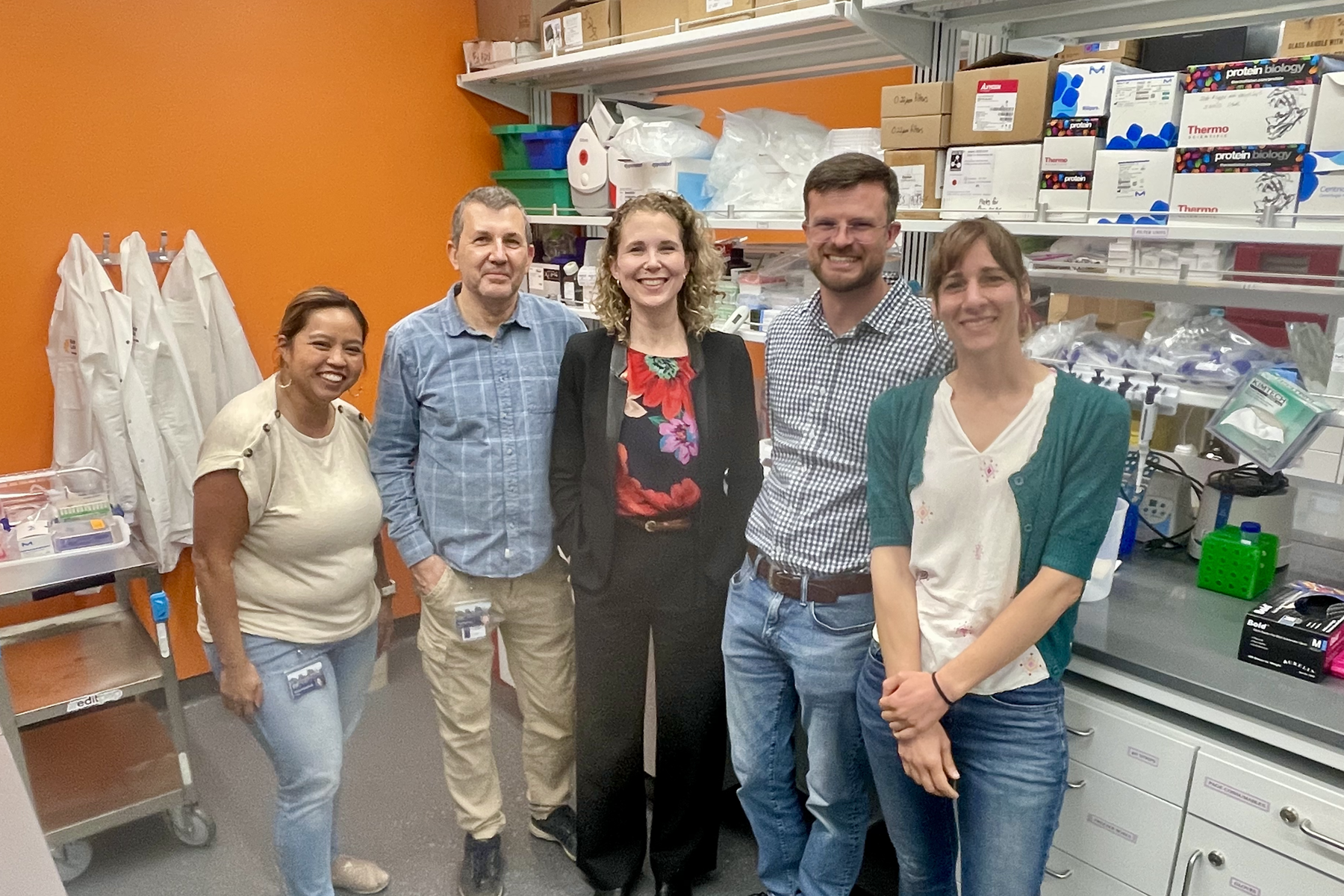
Five people standing in a lab

From 0 to 100: How Editpep’s CRISPR Technology and Business Took Off at Bakar Bio Labs

"Editpep is a great example of what can happen when UC Berkeley’s innovation and entrepreneurship ecosystem comes together,” says Darren Cooke, Interim Chief Innovation & Entrepreneurship Officer at UC Berkeley. “Through LSEC’s Venture Grant Program, we were able to connect Editpep with funding, mentorship, and key resources like Berkeley SkyDeck, I-Corps and Bakar Bio Labs, paving a path from lab discovery to long-term societal benefit. Helping Ross Wilson and Dana Foss build a business around extraordinary technology has been very rewarding.” Read post
Nam Pianapitham

Former QWEST Intern Nam Pianapitham Takes Job at VC Fund

By working at Bakar Bio Labs, she saw firsthand that innovation happens at every level. “Everyone’s working hard towards a goal—even if that goal is five or 10 years down the line, in terms of FDA approval or commercializing technology,” says Nam. Her time as an intern also gave her the confidence to realize that students can make meaningful contributions to the biotech community. Now at Disrupt Health, Nam applies that same passion on a global scale, leveraging the knowledge she acquired during her time as an intern. The fund invests in transformative areas, including self-care, preventive health, age-well technologies, AI-enabled smart hospitals, and digital health platforms. Read post
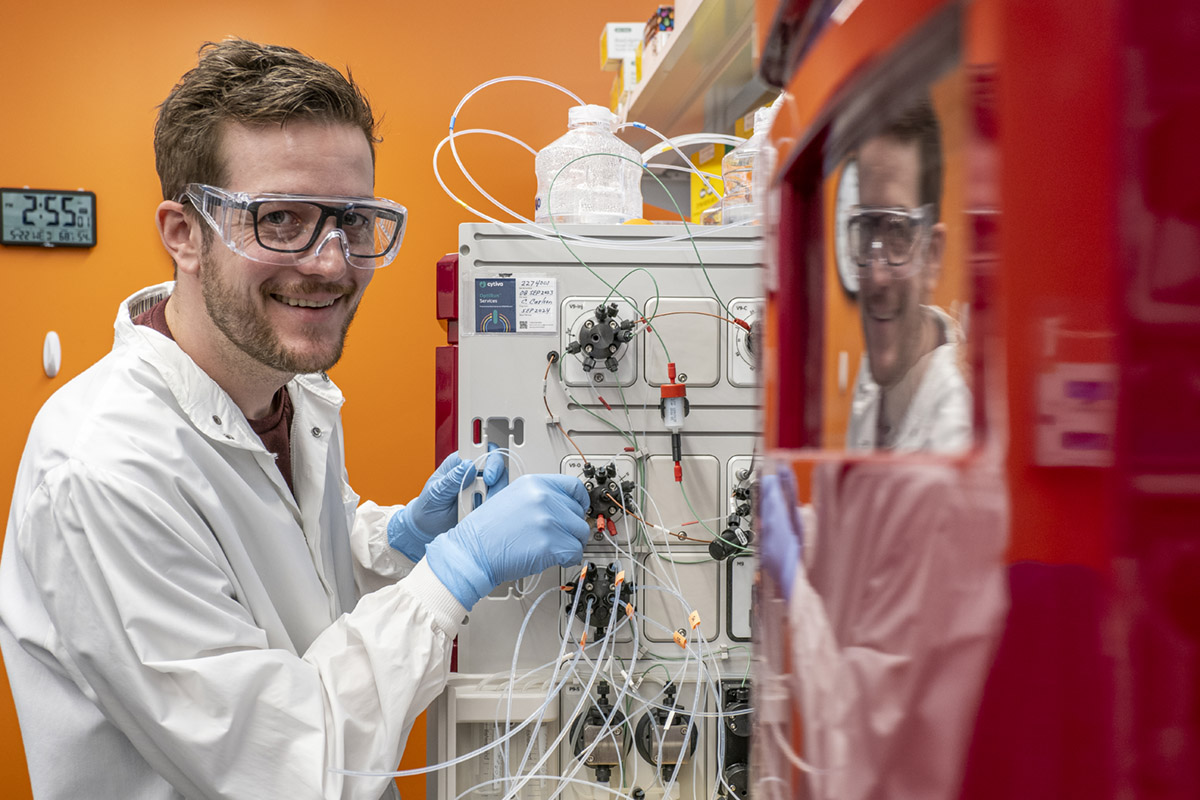
Male scientist in lab with PPE

Nosis Bio Announces Development Candidate Nomination for Lead Fibrosis Program

Nosis Bio, an AI-native biotechnology company pioneering cell-targeted gene silencing, today announced the nomination of its first development candidate (DC) for fibrosis. The milestone marks the company’s transition into IND-enabling studies and the advancement of its proprietary targeted delivery and drug design platform into clinical-stage development. Fibrosis affects over 100 million people globally and remains a high-burden, underserved condition that causes progressive scarring of critical organs such as the lungs, kidneys, and heart. Despite its prevalence, the field has seen limited progress, with existing treatments offering only modest efficacy and being constrained by systemic toxicity and poor tolerability. Read post
A large group of people on the steps of a building

Profluent’s AI-Designed Gene Editor Glimpses into Generalizable Platform

Ali Madani, PhD, CEO of Profluent, says there’s an urgent need to move away from the time-consuming slog of random therapeutic discovery and into artificial intelligence (AI)-based bespoke design. “There are real people with lives at stake and patients waiting,” he emphasized in an interview with GEN. Madani’s Bay Area-based company is currently building foundation models to steer functional protein design for generalizable applications across agriculture, biotechnology, and human health. The team has recently taken one step toward this goal for CRISPR-based therapeutics. Read post
Three people standing in front of a Cyclarity banner

New data supports Cyclarity’s approach to atherosclerosis reversal

The central role of 7-ketocholesterol (7KC) in the pathogenesis of atherosclerosis is well documented: as a toxic oxidized derivative of cholesterol, 7KC accumulates in arterial walls and contributes to the transformation of macrophages into dysfunctional, lipid-laden foam cells. These cells drive inflammation, destabilise plaque and ultimately fuel cardiovascular disease – the leading cause of mortality worldwide. Many therapeutic strategies have focused on lipid lowering or anti-inflammatory approaches; few have attempted to directly remove 7KC from cells, and fewer still have demonstrated the ability to reverse foam cell formation. Now, Cyclarity Therapeutics has published preclinical data suggesting its cyclodextrin-based compound UDP-003 can do just that – and with a favorable safety and pharmacokinetic profile that supports IND-readiness for first-in-human trials. Read post
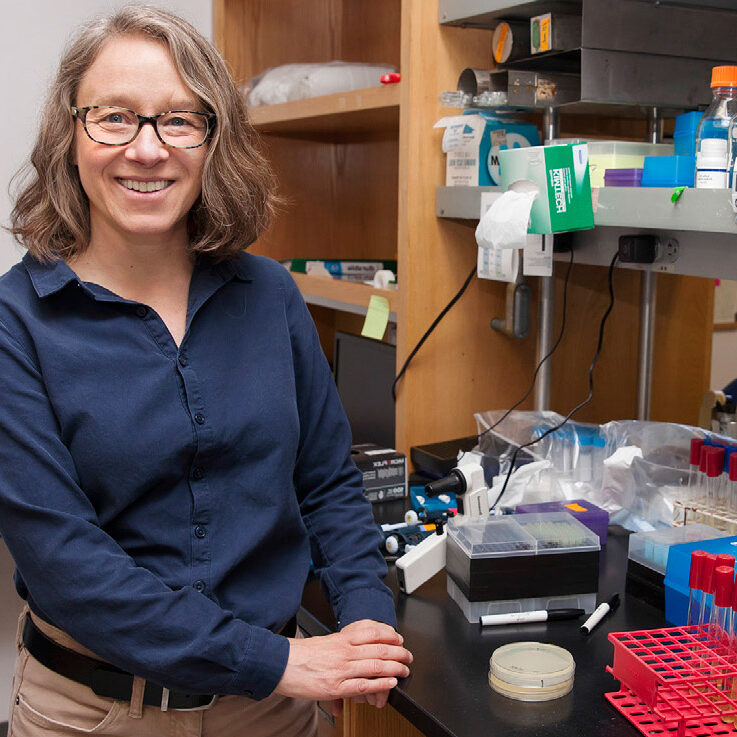
Professor Kathy Collins next to a bench in her lab

Addition Therapeutics: A Third-Way Approach to Genetic Medicine

At UC Berkeley, Collins and her lab investigated telomerase, a reverse transcriptase that protects the ends of chromosomes. Her research led her deeper into the world of reverse transcriptases, which are typically associated with viruses like HIV. However, she untapped what had largely been ignored by prior scientists—non-viral reverse transcriptases embedded in animal genomes that could be repurposed for human health. As her lab’s discoveries gained traction, so did the urgency to bring them to reality. Collins became a Bakar Fellow in 2016. In 2019, she won an NIH High-Risk, High-Reward Pioneer Grant, signaling that her approach had transformative potential. In 2021, she co-founded Addition. Read post
A rendering of the Innovative Genomics Institute–Bakar Labs building, which will be constructed at the corner of Oxford St. and University Ave. on the north edge of the Berkeley Innovation Zone. Image: DGA + Weiss/Manfredi

Bakar Labs Expands Life Science Ecosystem with New R&D Facility for Growing Biotech Companies

Bakar Labs, the University of California, Berkeley's flagship incubator for life science, energy, and materials startups, announced today the launch of a new building on campus that will provide critical infrastructure for life science startups scaling beyond the earliest stages. Launched in partnership with the Innovative Genomics Institute (IGI), the IGI-Bakar Labs building will house expansion space for biotech companies transitioning out of early incubators as they exceed 20-30 employees. This space will help retain high-potential startups in the Berkeley ecosystem by offering state-of-the-art labs and offices, flexibility, community support, and proximity to campus resources so companies can continue to grow. Construction is projected to be complete in late 2028. Read post
A rendering of the Innovative Genomics Institute–Bakar Labs building, which will be constructed at the corner of Oxford St. and University Ave. on the north edge of the Berkeley Innovation Zone. Image: DGA + Weiss/Manfredi

Regents approve IGI-Bakar Labs Building to catalyze science innovation, entrepreneurship

The UC Board of Regents approved a new building for Bakar Labs and the Innovative Genomics Institute, or IGI, at the northwest corner of UC Berkeley’s campus last week. The seven-story,169,000 gross-square-foot facility will be part of UC Berkeley’s Innovation Zone at Oxford Street and University Avenue. After this building and the neighboring Bakar ClimatEnginuity Hub finish construction, Bakar Labs will be the largest hub of biotechnology, energy and materials incubators at any U.S. university, according to UC Berkeley News. The construction is scheduled to break ground in 2026, according to the regents’ Finance and Capital Strategies Committee. It is expected to open during the 2028-29 school year. Read post