Five years at Bakar Labs: Highlighting five innovative companies making a difference
To celebrate our fifth anniversary, we’re highlighting five notable companies — tenants and alumni of Bakar Labs breaking new ground at the intersection of science, innovation, and entrepreneurship. Fourth up: Nosis Bio.
All stories by Ruhani Chhabra
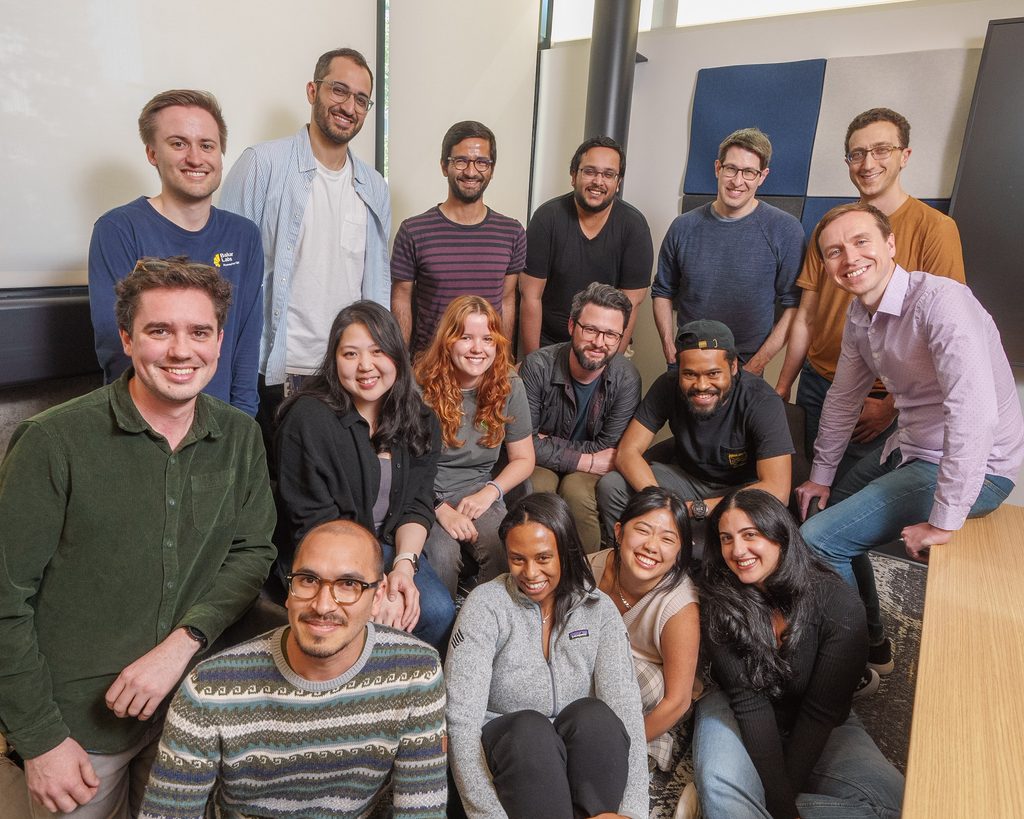
Profluent’s Protein Programming
Profluent’s journey from an ambitious startup to an AI-first protein design company partnering with global pharmaceutical leaders demonstrates the growing potential of AI in medicine.
Founded in 2022 by Ali Madani and Alexander Meeske, Profluent set out to harness artificial intelligence to generate entirely new proteins. At Bakar Labs, the company pursued a vision of making biology programmable, using AI to create proteins with applications in medicine and beyond.
In 2024, Profluent unveiled OpenCRISPR-1, the world’s first open-source AI-designed gene editor, demonstrating its ability to edit human DNA. That year, the company also secured $35 million in additional funding.
By 2025, Profluent had raised $150 million in total financing, including a $106 million round backed by Bezos Expeditions.
In 2026, the company announced partnerships with Eli Lilly and BioMarin to advance AI-designed technologies for developing new medicines, marking another milestone in its journey from Bakar Labs to the forefront of AI-driven biotech.
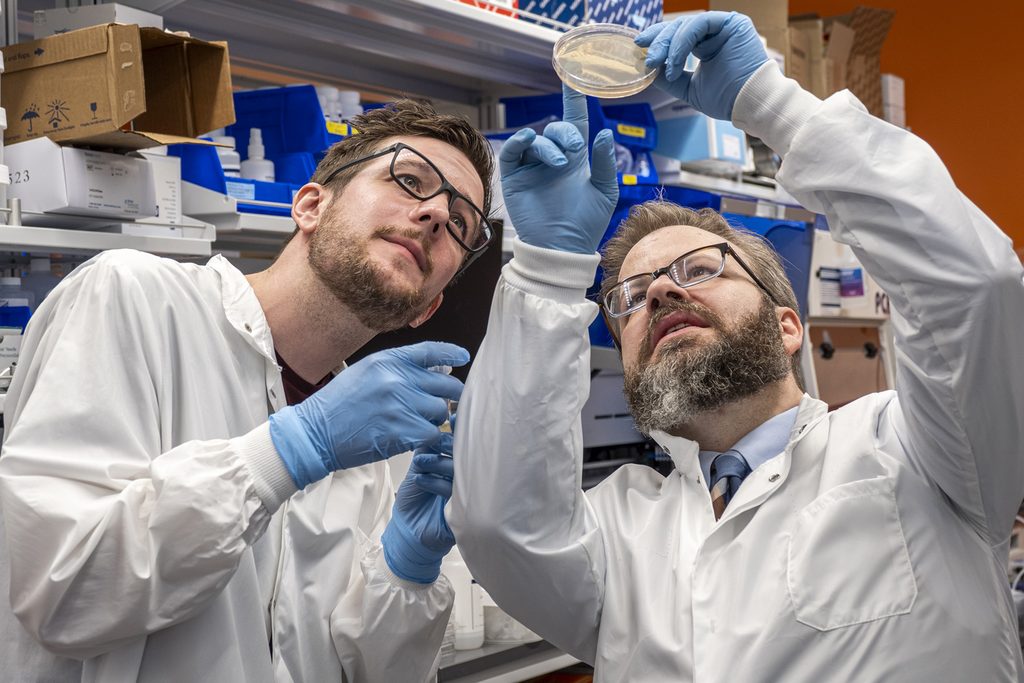
Nosis Bio’s Golden Journey
An initial effort to deliver #RNA medicines to specific cells has grown into a #biotech company collaborating with some of the world’s largest pharmaceutical companies.
Founded by Jim Martineau, Seth Myers, and Chad Miller, Nosis Bio joined Bakar Labs in 2022, winning Golden Tickets sponsored by AbbVie and the Cystic Fibrosis Foundation. These awards provide promising startups with access to laboratory space and resources.
Building on this early momentum, Nosis developed ConnexaTM, an AI-powered platform designed to deliver RNA medicines to specific cells and tissues. In 2025, the company announced research collaborations with Daiichi Sankyo and Johnson & Johnson, expanding the potential applications of its technology.
Most recently, in 2026, Nosis expanded its collaboration with Johnson & Johnson to explore RNA delivery for neurological diseases, marking another milestone in its journey from Bakar Labs to the global biotech stage.
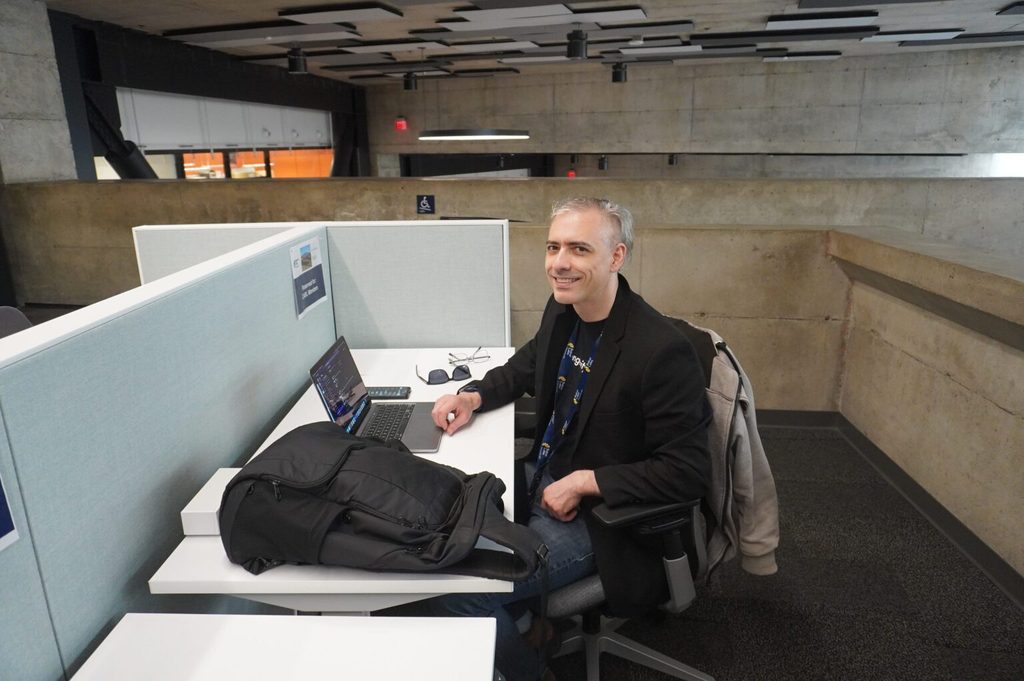
Cyclarity’s Heartfelt Innovation
Treating heart disease in the future could mean deleting arterial plaque rather than simply slowing its buildup, thanks to Cyclarity Therapeutics.
Founded in 2019 by Oki O’Connor, Michael Kope, and Amelia Anderson, Cyclarity is developing medicines targeting the underlying causes of age-related diseases. Cyclarity is pursuing an ambitious approach to cardiovascular health: designing molecules capable of capturing and removing toxic forms of oxidized cholesterol from the body.
We see Oki all the time at Bakar Labs, where his company is a member of our “CABL” community access program.
In 2025, Cyclarity secured approximately $6.4 million in Series A financing and received regulatory approval to begin its first human clinical trial (in Australia), marking a major transition from laboratory research to clinical development.
In 2026, the company presented early clinical data suggesting that its lead drug candidate, UDP-003, could help the body eliminate harmful oxidized cholesterol.
Today, Cyclarity continues investigating whether its technology could eventually help treat atherosclerosis, a major cause of heart attacks and strokes.
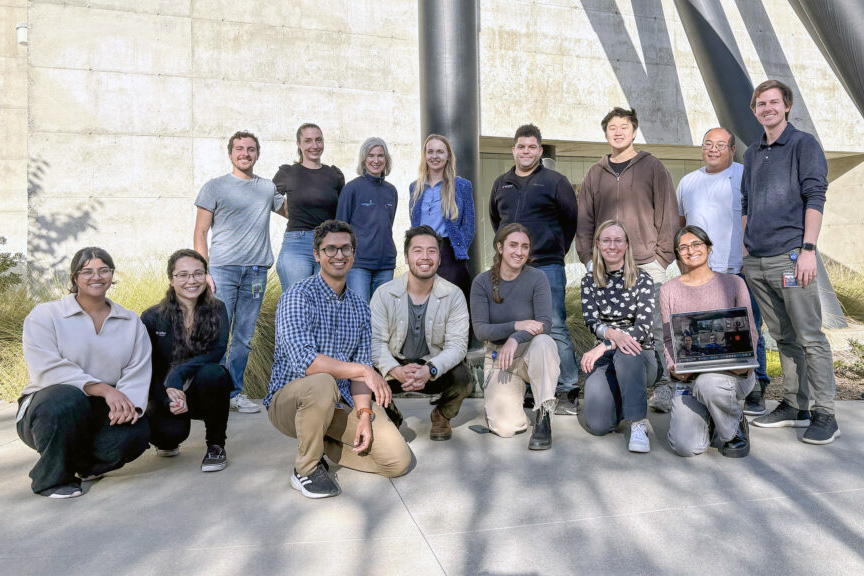
Azalea’s Gene-Editing Breakthrough
Azalea Therapeutics joined Bakar Labs with an ambitious mission: to engineer cancer-fighting immune cells directly inside the human body.
Founded in 2023 by Jenny Hamilton, Jennifer Doudna, Justin Eyquem, and Michael Fischbach, Azalea is developing technology to make cell therapies more accessible. At Bakar Labs, the company advanced its approach to precision gene editing, aiming to eliminate the need to extract, modify, and reinfuse patients’ immune cells.
In 2025, Azalea officially launched with $82 million in seed and Series A financing, backed by investors including Third Rock Ventures and RA Capital Management.
In 2026, foundational research behind Azalea’s technology was published in Nature, demonstrating precise engineering of cancer-fighting CAR-T cells directly inside the body in preclinical models.
Today, Azalea is advancing its in vivo CAR-T programs toward clinical development, with the goal of bringing more efficient, scalable cell therapies to patients.
They’re soon to move to their own lab space in west Berkeley – recently vacated by Arcadia, which moved into even bigger space in Emeryville!
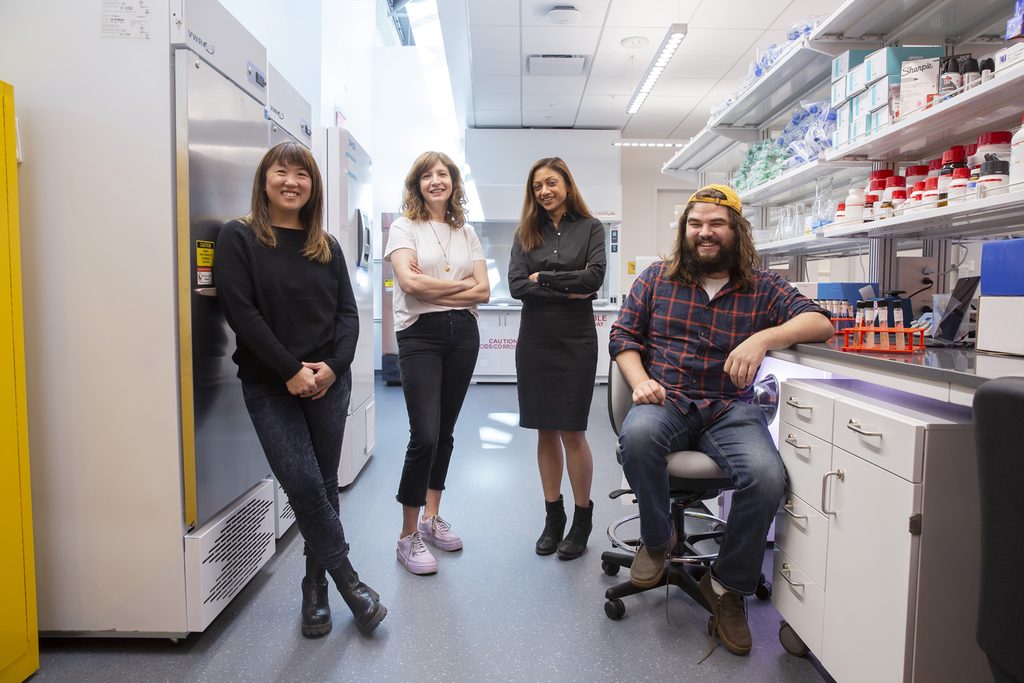
Arcadia’s Evolution Revolution
What if making research more open could accelerate scientific discovery?
Founded in 2021 by Seemay Chou, Prachee Avasthi, and Jed McCaleb, Arcadia Science set out to rethink how biological research is conducted and shared. At Bakar Labs – Arcadia was one of the very first tenants – the company embraced an unconventional approach by exploring evolution across diverse “non-model” organisms to uncover new possibilities for biotech.
Since then, Arcadia has challenged traditional scientific publishing while expanding its research efforts. In 2024, the company introduced a scientist-led publishing model, giving researchers greater control over how and when they share their findings.
In 2025, Arcadia launched Zoogle, a free online tool that uses evolutionary data to help scientists identify organisms best suited to studying human biology. The company also announced research partnerships to test its predictions. Learn more about Zoogle here.
Today, Arcadia continues to develop open-source tools and research methods, harnessing insights from evolution to advance biological discovery. Keep up with their news via Prachee Avasthi’s posts on Substack. They’re hiring!